

How Blockchain Consulting Accelerates Digital Transformation for Enterprises

Blockzia

Digital transformation is no longer about moving faster.
It’s about operating with trust, automation, and structural clarity at scale.
That’s where most enterprise transformation initiatives break down.
Legacy systems don’t fail because they lack technology.
They fail because they lack coordination, transparency, and verifiable execution across complex stakeholders.
This is precisely why blockchain consulting has become a critical accelerator of enterprise digital transformation.
Let’s break down how—and why—this shift is happening.
What Is Blockchain Consulting in an Enterprise Context?
Blockchain consulting is not about deploying crypto or experimenting with hype-driven use cases.
At the enterprise level, blockchain consulting focuses on:
- Redesigning multi-party workflows
- Establishing shared sources of truth
- Automating trust through verifiable systems
- Enabling compliance-aware data integrity
In short, it’s about re-architecting how enterprises coordinate, transact, and govern in a digital-first world.

Why Traditional Digital Transformation Hits a Ceiling
Most enterprise digital transformation programs focus on:
Cloud migration
ERP modernization
Process automation
Data centralization
These initiatives improve efficiency—but they don’t solve cross-organizational trust problems.
Common bottlenecks include:
Manual reconciliation between departments or partners
Fragmented data ownership
Audit-heavy compliance workflows
Limited transparency across value chains
This is where blockchain consulting changes the equation.
How Blockchain Consulting Accelerates Digital Transformation
1. Creating a Single Source of Truth Across Ecosystems
Enterprises don’t operate in isolation.
They operate in ecosystems—suppliers, banks, regulators, logistics partners, and customers.
Blockchain consulting enables enterprises to:
Replace siloed databases with shared ledgers
Ensure data consistency across stakeholders
Eliminate reconciliation delays
Create tamper-proof records
This drastically reduces operational friction while improving decision confidence.
2. Automating Trust Through Smart Contracts
Digital transformation often stops at automation.
Blockchain takes it further—by automating trust itself.
Through smart contracts, enterprises can:
Execute transactions automatically when conditions are met
Enforce policies without manual intervention
Reduce dependency on intermediaries
Minimize operational risk
Blockchain consultants design these systems to integrate seamlessly with existing enterprise workflows.
3. Enhancing Compliance, Auditability, and Governance
Compliance is one of the biggest transformation blockers for large enterprises.
Blockchain consulting addresses this by enabling:
Immutable audit trails
Real-time compliance visibility
Permissioned access control
Transparent governance frameworks
For regulated industries, this transforms compliance from a cost centre into a built-in system capability.
4. Modernizing Legacy Systems Without Full Replacement
One of the biggest misconceptions about digital transformation is that everything must be replaced.
In reality, blockchain consulting often acts as a coordination layer, not a replacement layer.
Consultants help enterprises:
Integrate blockchain with ERP, CRM, and legacy systems
Enable interoperability across platforms
Modernize workflows incrementally
Reduce transformation risk
This makes large-scale transformation practical, not disruptive.
Enterprise Use Cases Where Blockchain Consulting Delivers Real Impact
Supply Chain & Logistics
End-to-end traceability
Fraud prevention
Real-time inventory visibility
Banking & Trade Finance
Faster settlements
Reduced counterparty risk
Automated compliance
Identity & Credential Management
Secure data sharing
Verifiable credentials
Reduced identity fraud
Data Integrity & Intercompany Workflows
Immutable records
Streamlined audits
Improved transparency
These aren’t experimental use cases—they’re operational upgrades
Why Enterprises Need Blockchain Consultants (Not Just Technology)
Blockchain technology alone does not drive transformation.
Enterprises need consultants who understand:
Business process redesign
Regulatory constraints
Change management
Enterprise architecture
Risk and ROI evaluation
Blockchain consulting bridges the gap between technology potential and enterprise reality.
Blockchain Consulting vs Traditional Digital Transformation Consulting
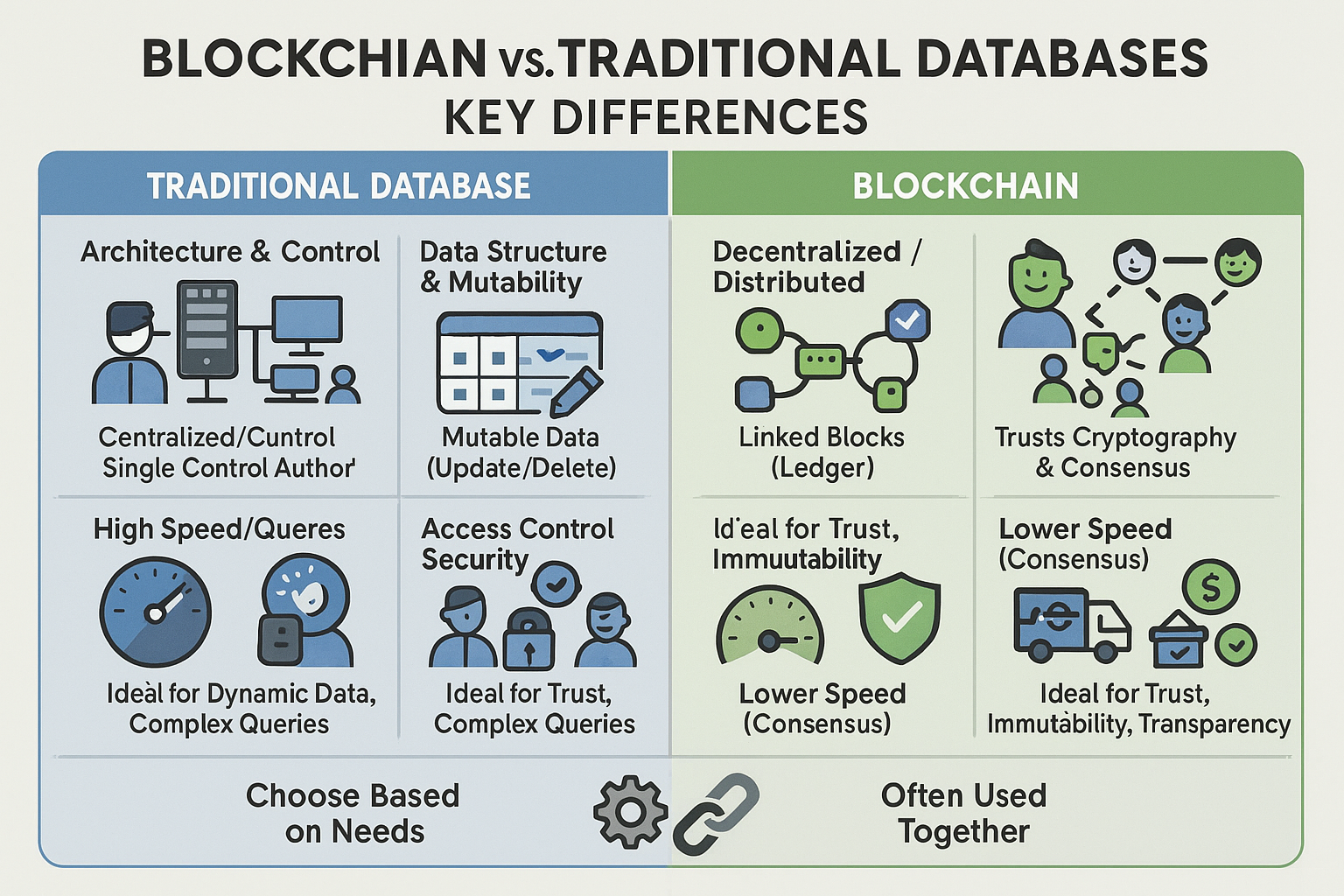
This is why blockchain consulting is increasingly layered on top of traditional transformation programs—not replacing them.
The Strategic Advantage: From Digitization to Trust Infrastructure
The next phase of digital transformation is not about digitizing processes.
It’s about building digital trust infrastructure.
Enterprises that adopt blockchain consulting early gain:
Faster ecosystem coordination
Lower operational risk
Higher transparency
Stronger compliance posture
Long-term scalability
This compounds into competitive advantage—not just operational improvement.
Final Thoughts
Blockchain consulting accelerates digital transformation because it addresses what legacy systems cannot:
Trust, coordination, and verification at scale.
For enterprises navigating complex ecosystems, regulatory pressure, and digital acceleration, blockchain is no longer optional infrastructure—it’s strategic infrastructure.
And blockchain consulting is the catalyst that makes it enterprise-ready.